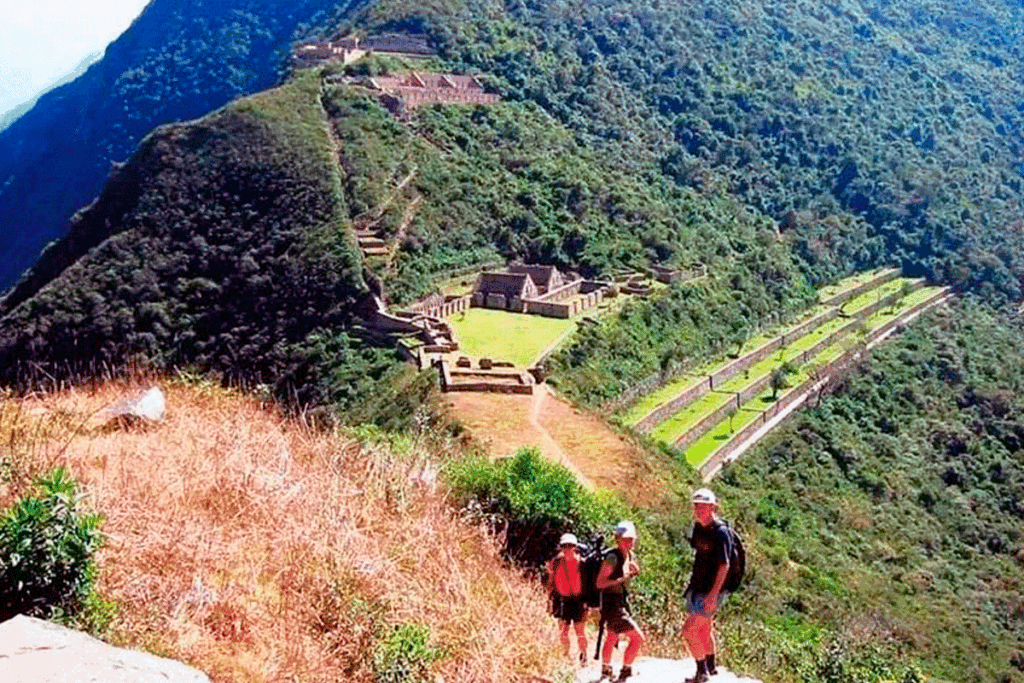
Choquequirao is one of Peru’s most impressive and remote Inca archaeological sites. Hidden high above the Apurímac Canyon, this ancient Inca city can only be reached by trekking, which makes planning the right season very important.
Unlike a simple day trip, the Choquequirao treks requires several days of hiking through steep mountain trails, warm canyon sections, high-altitude campsites, and changing weather conditions. Choosing the best time to visit Choquequirao can make a big difference in comfort, safety, trail conditions, views, and your overall trekking experience.
This Choquequirao trekking guide will help you understand the weather, dry season, rainy season, monthly conditions, packing tips, and when to book your Choquequirao trek from Cusco.
Why Timing Matters for the Choquequirao Trek
The Choquequirao trek is a real Andean adventure. It is not a simple walk or a short excursion. The route includes long hiking days, steep descents into the Apurímac Canyon, challenging climbs, remote camping areas, and dramatic temperature changes.
Weather can directly affect your experience on the trail, including:
- Trail safety
- Hiking comfort
- Mountain visibility
- Camping conditions
- River and canyon temperatures
- Photography opportunities
- Overall trekking difficulty
During the dry season, trails are usually firmer, views are clearer, and camping is more comfortable. During the rainy season, the landscapes are greener, but the trails can be muddy, slippery, and more demanding.
Because Choquequirao is remote, booking with a local Cusco-based trekking agency is highly recommended. A professional team can help you choose the best dates, prepare correctly, and organize safe logistics from Cusco.
Best Time to Visit Choquequirao
The best time to visit Choquequirao is during the dry season, from April to October.
During these months, travelers usually enjoy better trekking conditions, clearer skies, less rain, and spectacular views of the Apurímac Canyon and surrounding mountains.
The best months for most travelers are:
- May
- June
- September
- October
These months offer an excellent balance of weather, visibility, trail conditions, and overall trekking comfort.
May and June are especially beautiful because the landscapes are still fresh after the rainy season. September and October are also excellent because the weather is usually pleasant, the trails are dry, and there are often fewer trekkers than in the peak months.
Choquequirao Weather by Season
Choquequirao has two main trekking seasons: the dry season and the rainy season. Understanding both will help you choose the best time for your Choquequirao tour.
Choquequirao Dry Season: April to October
The Choquequirao dry season is the most recommended time for trekking. This period usually brings more stable weather, better trail conditions, and clearer views.
During the dry season, you can expect:
- Less rain
- Clearer mountain views
- Better trail conditions
- Sunny days
- Cooler nights
- More comfortable camping
- Better visibility for photography
June, July, and August are among the driest months. These months offer excellent views, but nights can be cold, especially at higher campsites.
This is the best season for travelers who want safer trails, clearer skies, and a more comfortable trekking experience.
Choquequirao Rainy Season: November to March
The Choquequirao rainy season runs from November to March. During this time, the landscapes become greener and more dramatic, and there are usually fewer trekkers on the route.
However, the rainy season also brings more challenges.
Travelers may experience:
- Muddy trails
- Slippery descents
- Cloudy mountain views
- Possible landslides
- More difficult camping conditions
- Higher humidity in canyon sections
- More itinerary flexibility required
It is possible to trek to Choquequirao during the rainy season, but it requires better preparation, proper gear, and an experienced local guide.
For most travelers, January, February, and March are the most challenging months because rain can make the trail more difficult and less predictable.
Month-by-Month Guide to Visiting Choquequirao
January
January is rainy, green, and challenging. Trails can be muddy and slippery, especially on steep descents. This month is best only for flexible travelers who are prepared for wet conditions.
February
February is one of the wettest months of the year. Trails can be difficult, camping can be uncomfortable, and views may be limited by clouds. It is not ideal for most travelers.
March
March is still rainy, but the landscapes are very green. Conditions may begin to improve toward the end of the month, but trekkers should still expect wet trails and changing weather.
April
April marks the beginning of the dry season. It is a great month for the Choquequirao trek because the landscapes are still fresh and green, while trail conditions usually begin to improve.
May
May is one of the best months to visit Choquequirao. The weather is usually more stable, the skies are clearer, and the scenery remains green after the rainy season.
June
June offers very good trekking conditions, sunny days, and clear mountain views. Nights can be cold, so warm layers are important.
July
July is dry and clear, but nights can be very cold. This is a good month for travelers who are prepared for lower nighttime temperatures.
August
August usually brings excellent visibility and dry trails. It is a popular month for trekking in Peru, so booking in advance is recommended.
September
September is one of the best months for Choquequirao trekking. The weather is warmer than June and July, visibility is good, and there are often fewer trekkers than in the busiest months.
October
October is still a great month to trek. The weather is usually favorable before the rainy season becomes stronger. It is a good choice for travelers looking for a balance of good conditions and fewer people.
November
November is a transition month. Rain becomes more frequent, but some treks are still possible with good planning and flexibility.
December
December marks the stronger return of the rainy season. Trails may be slippery, but the landscapes become lush and green. Travelers should be prepared for rain and changing conditions.
Dry Season vs Rainy Season: Which Is Better?
For most travelers, the dry season is better for visiting Choquequirao. It offers safer trails, clearer mountain views, better camping conditions, and a more comfortable trekking experience.
The rainy season can be attractive for travelers who want greener landscapes, fewer trekkers, and a more adventurous atmosphere. However, it also comes with more risk, less predictable weather, and more challenging trail conditions.
Simple Recommendation
Best overall months: May, June, September, October
Best for clear views: June to August
Best for green scenery: April and May
Best for fewer trekkers: September, October, and early November
Most challenging months: January, February, and March
If this is your first multi-day trek in Peru, the dry season is the safest and most comfortable choice.
Temperature on the Choquequirao Trek
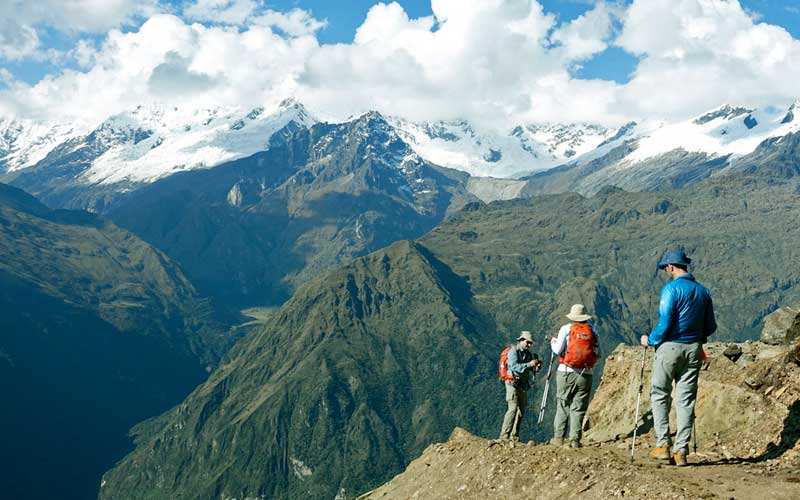
Temperatures on the Choquequirao trek can change a lot because the route moves through different elevations.
During the day, the Apurímac Canyon can feel warm or even hot, especially when hiking uphill under the sun. At higher campsites, mornings and nights can be cold, particularly from June to August.
Travelers should be prepared for:
- Warm daytime hiking conditions
- Cool mornings
- Cold nights
- Strong sun exposure
- Wind in open mountain areas
- Humidity during rainy months
Layering is essential. A good combination of light trekking clothes, warm layers, and rain protection will help you stay comfortable throughout the journey.
Is Choquequirao Crowded in High Season?
Choquequirao receives far fewer visitors than Machu Picchu, even during the dry season. This is one of the main reasons travelers love the experience.
The trek feels remote, peaceful, and authentic. You may hike for long sections with very few people around, surrounded by mountains, canyon views, and quiet Andean landscapes.
However, during the best months, it is still wise to book in advance. Quality guides, private transport, camping equipment, and mule support can be limited, especially for well-organized Choquequirao tours from Cusco.
Best Time for Photography
The best time for photography on the Choquequirao trek is usually from May to October. These months offer clearer skies, better mountain views, and more stable weather.
April and May are especially beautiful because the landscapes are still green after the rainy season. June to August often offers the clearest views, while September and October provide a great balance of visibility and warmer temperatures.
Photography Tips for Choquequirao
- Start early for softer light
- Bring extra batteries
- Protect camera gear from dust and rain
- Use a lightweight backpack
- Capture the Apurímac Canyon views
- Photograph the Choquequirao terraces in morning or afternoon light
- Keep your camera accessible but protected
Choquequirao is a dream destination for travelers who love landscape photography, remote archaeology, and dramatic mountain scenery.
Trekking Tips for the Dry Season
The dry season offers the best trekking conditions, but preparation is still important.
Choquequirao Hiking Tips for Dry Season
- Bring strong sun protection
- Pack warm layers for cold nights
- Use trekking poles for steep descents
- Drink plenty of water
- Wear broken-in hiking boots
- Carry a rain jacket, even in dry season
- Protect your skin from dust and sun
- Book in advance for better organization
Even during the dry season, mountain weather can change quickly. A lightweight rain jacket and warm evening clothes are always useful.
Trekking Tips for the Rainy Season
The rainy season requires more care, patience, and flexibility. Trails can become muddy, slippery, and physically demanding.
Choquequirao Hiking Tips for Rainy Season
- Use waterproof hiking boots
- Bring a quality rain jacket
- Pack dry bags for clothes and electronics
- Be flexible with the itinerary
- Expect muddy trails
- Trek with an experienced local guide
- Avoid rushing on steep sections
- Carry extra socks
- Protect your backpack with a rain cover
If you plan to trek during the Choquequirao rainy season, do not underestimate the route. Professional guidance and proper equipment are very important.
What to Pack According to the Season
Packing correctly can make your Choquequirao trek safer and more enjoyable. Your packing list should match the season you choose.
What to Pack for the Dry Season
For the Choquequirao dry season, focus on sun protection, light hiking clothes, and warm layers for the night.
Recommended items include:
- Sun hat
- Sunglasses
- Sunscreen
- Light trekking clothes
- Warm fleece or jacket
- Sleeping layers
- Reusable water bottle
- Trekking poles
- Comfortable hiking boots
- Light rain jacket
- Headlamp
- Personal snacks
The days can be sunny and warm, but nights can be cold, especially in June, July, and August.
What to Pack for the Rainy Season
For the Choquequirao rainy season, waterproof protection is essential.
Recommended items include:
- Waterproof jacket
- Rain cover for backpack
- Waterproof hiking boots
- Quick-dry clothes
- Dry bags
- Extra socks
- Insect repellent
- Headlamp
- Warm layers
- Trekking poles
- Plastic bags for wet clothes
- Waterproof cover for electronics
Keeping your clothes and electronics dry will make a big difference during rainy months.
When Should You Book Your Choquequirao Trek?
Travelers should book their Choquequirao trek in advance, especially from May to October.
Choquequirao does not have the same permit pressure as the Inca Trail, but planning ahead is still important. A well-organized trek requires reliable logistics, trained staff, proper equipment, and experienced support.
Booking in advance helps secure:
- Reliable trekking guides
- Quality camping equipment
- Mule support
- Private transport from Cusco
- Better itinerary organization
- Safer logistics
- Proper meal planning
- Professional emergency support
Before choosing your dates, it is a good idea to contact a local Cusco-based trekking agency. Local experts can help you decide the best month based on your fitness level, travel dates, weather preferences, and trekking experience.
Why Book with a Local Cusco-Based Trekking Agency?
Choquequirao is remote, physically demanding, and logistically different from easier tourist routes. Professional organization matters.
A local Cusco-based trekking agency can provide the experience, equipment, and support needed for a safer and more rewarding journey.
Benefits of Booking with Local Experts
- Local weather knowledge
- Correct itinerary planning
- Licensed trekking guides
- Safe transport from Cusco
- Camping equipment included
- Meals during the trek
- Mule support
- Emergency assistance
- Flexible route advice
- Support for local communities
A professional guide also helps you understand the landscapes, history, culture, and importance of Choquequirao Peru. This turns the trek into a deeper and more meaningful experience.
When you book a Choquequirao trek from Cusco with a reliable local operator, you travel with better planning, better safety, and direct support before and during the adventure.
Final Recommendation: When Should You Visit Choquequirao?
For most travelers, the best time to visit Choquequirao is in May, June, September, or October.
These months offer the best combination of good weather, clear views, safe trail conditions, and enjoyable trekking temperatures.
April is excellent for green landscapes and fresh scenery. July and August are great for clear skies, but nights can be colder. November to March is better only for travelers who are prepared for rain, mud, flexible conditions, and a more adventurous experience.
If you want the best balance of comfort, scenery, and safety, choose the dry season and book with a professional local trekking agency in Cusco.
Conclusion
The best time to visit Choquequirao depends on what kind of experience you want.
If you want clear skies, dry trails, and great mountain views, travel during the dry season from April to October. If you want green landscapes and fewer trekkers, April, May, September, and October are excellent choices. If you enjoy a bigger challenge and do not mind rain, the rainy season can offer a wilder and more dramatic experience.
Choquequirao is one of the most rewarding treks in Peru, but it requires good planning. Choosing the right season, packing correctly, and traveling with experienced local guides can make your journey safer, easier, and far more memorable.
Ready to choose the best dates for your Choquequirao trek? Contact our local Cusco trekking experts and start planning your adventure today.
Frequently Asked Questions About the Best Time to Visit Choquequirao
1. What is the best time to visit Choquequirao?
The best time to visit Choquequirao is during the dry season, from April to October. The best months for most travelers are May, June, September, and October because they offer good weather, clearer views, and better trekking conditions.
2. What is the best month for the Choquequirao trek?
May is one of the best months for the Choquequirao trek because the landscapes are still green after the rainy season and the weather is usually more stable. September is also excellent because it is generally warmer and less crowded than peak months.
3. Can you trek to Choquequirao during the rainy season?
Yes, it is possible to trek to Choquequirao during the rainy season, but it is more challenging. Trails can be muddy and slippery, views may be cloudy, and camping conditions can be less comfortable. A professional guide is highly recommended.
4. What are the rainiest months in Choquequirao?
The rainiest months are usually January, February, and March. These months are the most challenging for trekking because the trail can be wet, muddy, and more difficult to walk.
5. Is Choquequirao cold at night?
Yes, nights can be cold, especially during June, July, and August. Travelers should bring warm layers, a fleece or jacket, and proper sleeping clothes for camping.
6. Is the Choquequirao trek difficult in the dry season?
The Choquequirao trek is still challenging in the dry season because the route includes steep descents and climbs. However, dry trails, clearer weather, and more comfortable camping conditions make the experience easier and safer than during the rainy season.
7. When is the best time for photography in Choquequirao?
May to October is usually the best time for photography because skies are clearer and mountain views are better. April and May are especially beautiful because the landscapes remain green after the rainy season.
8. Should I book my Choquequirao trek in advance?
Yes. Even though Choquequirao does not have the same permit pressure as the Inca Trail, booking in advance helps secure reliable guides, camping equipment, mule support, private transport from Cusco, and better organization.