
Choquequirao is one of Peru’s most rewarding remote Inca trekking destinations. Hidden above the dramatic Apurímac Canyon, this archaeological site offers a powerful combination of mountain scenery, Inca history, solitude, and real adventure.
However, choosing the best time to visit Choquequirao is very important. The trek includes steep canyon trails, long ascents, hot daytime sections, cold nights, and remote mountain conditions. Weather can make the journey more enjoyable — or much more challenging.
The best time for your Choquequirao Peru trek depends on the season, trail conditions, your fitness level, and the type of experience you want. Some travelers prefer clear skies and dry trails. Others enjoy greener landscapes and fewer trekkers, even with more rain.
This guide explains Choquequirao weather, the Choquequirao trekking season, dry season, rainy season, best months, packing advice, and practical trekking tips to help you plan with confidence.
When Is the Best Time to Visit Choquequirao?
The best time to visit Choquequirao is generally during the dry season, from April to October. These months usually offer better trail conditions, clearer mountain views, and a lower chance of heavy rain.
For most travelers, the best months for the Choquequirao treks are May, June, September, and October. These months often combine good weather, beautiful landscapes, and more comfortable trekking conditions.
June, July, and August are usually the driest months, making them excellent for clear views and photography. However, nights can be colder, especially at campsites.
April and October are also excellent shoulder months. They can offer a good balance between weather, scenery, and fewer travelers on the trail.
Choquequirao Weather Overview
Choquequirao weather changes quickly because of its Andean location above the Apurímac Canyon. During the trek, travelers pass through different microclimates, from warm canyon areas to cooler mountain zones and humid cloud forest sections.
During the Choquequirao trek, you may experience:
Warm temperatures during the day
Cold nights at campsites
Strong sun exposure
Wind in open mountain areas
Cloud forest humidity
Sudden rain, even in the dry season
This is why preparation is essential. Even during the best Choquequirao trekking season, mountain weather can change without much warning.
The trail can feel hot and exposed during the day, especially on steep canyon sections. In the evening, temperatures can drop quickly, making warm layers important year-round.
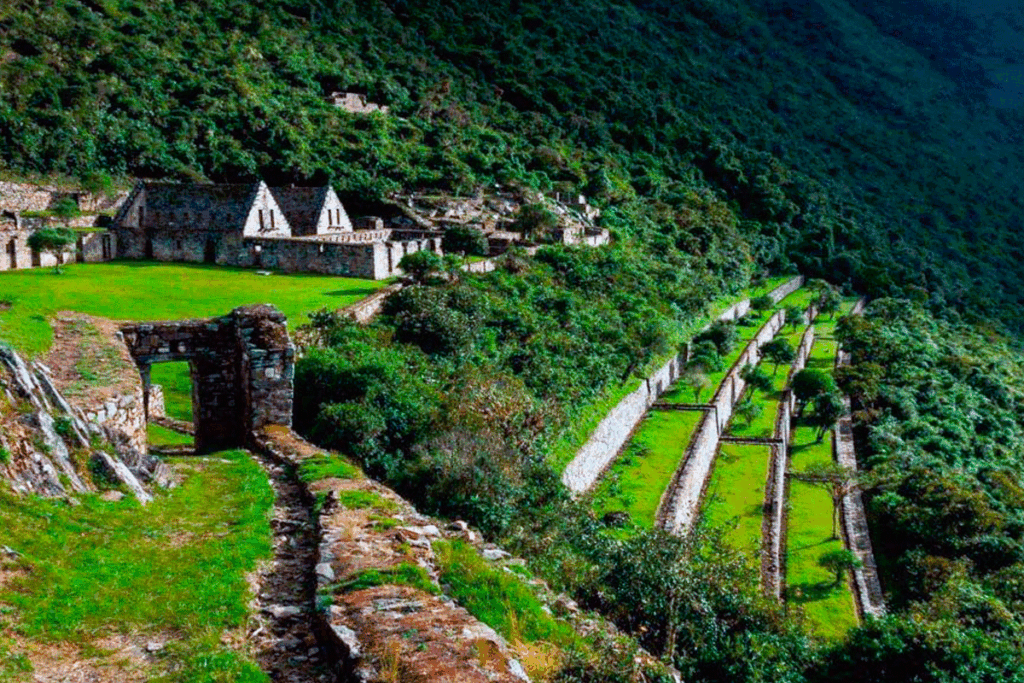
Dry Season in Choquequirao: April to October
The Choquequirao dry season runs from April to October and is the most recommended time for trekking.
During these months, the trail is usually firmer, the skies are clearer, and the chances of heavy rain are lower. This makes the trek safer, more comfortable, and more enjoyable for most hikers.
Benefits of the Choquequirao Dry Season
More stable trekking conditions
Better visibility along the route
Clearer views of the Apurímac Canyon
Easier river crossings
More comfortable camping conditions
Better photography opportunities
Lower chance of muddy trails
June, July, and August are usually the driest months. These months are great for clear mountain views, but hikers should be ready for colder nights and stronger sun during the day.
Because the route is remote and physically demanding, dry conditions can make a big difference. Steep descents and ascents are easier to manage when the trail is not wet or slippery.
Rainy Season in Choquequirao: November to March
The Choquequirao rainy season runs from November to March. During this period, the landscape becomes greener and more vibrant, but the trail conditions can be more challenging.
Rainy season trekking is possible, but it requires better preparation, flexible expectations, and proper gear.
Possible Challenges During the Rainy Season
Muddy trails
Slippery descents
Cloudy views
More frequent rain during the trek
Higher risk of delays
More difficult camping conditions
Wet clothes and gear if not packed correctly
The rainy season can still be beautiful, especially for experienced hikers who enjoy lush scenery and fewer people on the trail. However, it is not the easiest time for first-time trekkers or travelers with limited hiking experience.
If you plan to trek during the rainy season, travel with a professional local operator. A reliable Cusco-based team can check trail conditions, organize safe logistics, and help you manage weather-related changes.
Should You Trek Choquequirao in January or February?
January and February are usually among the wettest months for the Choquequirao treks weather. During this period, the route can be more difficult because of rain, mud, slippery trails, and reduced visibility.
This does not mean the trek is impossible. However, it is best suited for experienced hikers who are prepared for wet conditions and flexible travel plans.
If you are considering Choquequirao in January or February, check the latest trail conditions before traveling. It is strongly recommended to trek with a professional local agency that knows the route and can make safe decisions if the weather changes.
For most travelers, especially first-time visitors, May to October is a better choice.
Best Months to Visit Choquequirao
Here is a practical Choquequirao weather by month guide to help you choose the best season for your trek.
April
April is a transition month from the rainy season to the dry season. Landscapes are often greener after the rains, and trail conditions usually begin to improve.
There may still be occasional rain, but April can be a beautiful time for travelers who want fresh scenery and fewer trekkers.
Best for: Green landscapes, improving weather, shoulder-season travel.
May
May is one of the best months to visit Choquequirao. The weather is usually more stable, the landscapes are still green, and the views become clearer.
This is an excellent month for travelers who want good trail conditions without the strongest high-season feeling.
Best for: Great weather, green scenery, clear views.
June
June is typically dry and clear, with excellent mountain views. It is one of the best months for photography and trekking.
Nights can be cold, so warm layers are important. During the day, the sun can be strong, especially on exposed sections of the Apurímac Canyon.
Best for: Clear skies, photography, stable trails.
July
July is usually very dry and sunny. Trail conditions are often excellent, but cold nights are common.
This month is good for strong trekkers who are prepared for temperature changes between hot daytime hiking and cold evening camps.
Best for: Dry trails, sunny days, strong hikers.
August
August continues the dry season. Days can be sunny and bright, while nights remain cold in higher areas.
Sun protection is essential because the trail includes exposed sections with little shade.
Best for: Dry conditions, clear views, classic trekking weather.
September
September is an excellent trekking month. Conditions are often warmer than the middle of the dry season, and the strongest peak-season period begins to ease.
This is one of the best months for travelers who want good weather and a quieter trail atmosphere.
Best for: Comfortable trekking, fewer crowds, great views.
October
October is another very good month before heavier rains return. The weather may become slightly more variable, but the trail is usually still manageable.
Landscapes begin to change as the season transitions, making October attractive for travelers who want good conditions and fewer people.
Best for: Shoulder-season trekking, fewer trekkers, pleasant weather.
November to March
November to March are rainy season months. The trail can be greener and quieter, but hikers should expect rain, mud, clouds, and more challenging conditions.
These months are better for flexible and experienced travelers who are prepared with waterproof gear and realistic expectations.
Best for: Experienced hikers, lush scenery, flexible schedules.
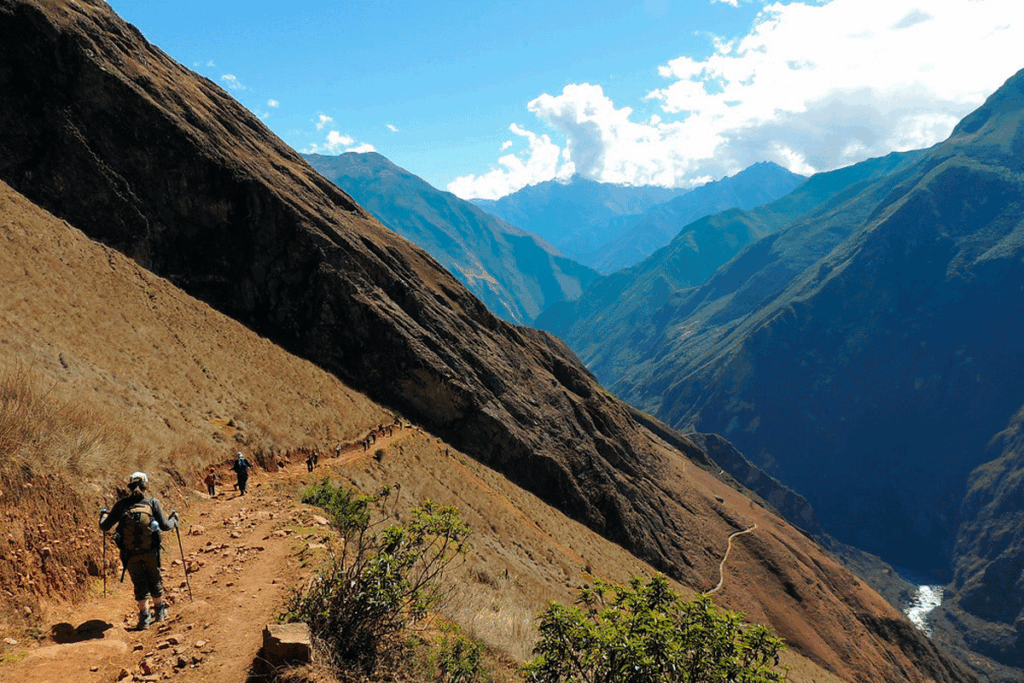
Choquequirao Trekking Conditions by Season
The Choquequirao trekking season changes the experience of the trail. Each season has advantages and challenges.
Dry Season
The dry season offers better trails, clearer views, colder nights, and stronger sun exposure. It is the most recommended period for most travelers.
Dry-season trekking is ideal if you want stable conditions, better photography, and a more comfortable camping experience.
Rainy Season
The rainy season offers greener landscapes, fewer trekkers, more clouds, more mud, and a higher chance of rain.
It can be beautiful, but the trek becomes more demanding. Waterproof gear, trekking poles, and flexible planning are essential.
Shoulder Months
April, May, September, and October often provide the best balance between weather, scenery, and fewer crowds.
These months are especially good for travelers who want excellent trekking conditions without the strongest peak-season feel.
Is Choquequirao Crowded During High Season?
Choquequirao is much less crowded than Machu Picchu, even during the best trekking months. Its remote location and challenging access keep visitor numbers lower throughout the year.
This is one of the reasons why many adventure travelers choose the Choquequirao trek from Cusco. The journey feels peaceful, authentic, and far from mass tourism.
Even in the dry season, you can still enjoy quiet trails, remote campsites, and a deeper connection with the mountains.
Temperature and Altitude Considerations
Temperatures can vary greatly during the Choquequirao trek. The Apurímac Canyon can feel hot during the day, especially on steep uphill sections. Campsites and higher areas can feel cold in the evening and early morning.
Hikers should prepare for both heat and cold.
Use sun protection during the day. Drink enough water. Wear breathable clothing while hiking. Pack warm layers for camp. Bring a light rain jacket even in the dry season.
Acclimatization is also important. Spending at least 1 or 2 days in Cusco before starting the trek helps your body adjust to the altitude and reduces the risk of discomfort during the hike.
What to Pack According to the Season
Packing correctly can make your 4-day Choquequirao trek safer and more comfortable. The right gear depends on the season.
What to Pack for the Dry Season
Sun hat
Sunglasses
Sunscreen
Light hiking clothes
Warm layers for the night
Good trekking shoes
Reusable water bottle
Light rain jacket
Headlamp
Personal snacks
Insect repellent
During the dry season, the sun can be intense during the day, but nights can be cold. Pack for both conditions.
What to Pack for the Rainy Season
Waterproof jacket
Rain cover for backpack
Quick-dry clothing
Trekking poles
Waterproof hiking shoes
Extra socks
Dry bags for electronics and documents
Warm layers
Poncho or rain protection
Waterproof gloves if possible
During the rainy season, keeping your gear dry is essential. Wet clothes and wet shoes can make the trek uncomfortable and more difficult.
Trekking Tips for the Best Experience
The Choquequirao trek is remote and physically demanding. These Choquequirao trekking tips can help you enjoy the journey with more confidence.
Spend at least 1 or 2 days acclimatizing in Cusco before the trek.
Choose the right itinerary for your fitness level. A 4-day trek is more intense, while a 5-day trek offers a more comfortable pace.
Start hiking early to avoid the strongest midday sun.
Carry enough water, especially on hot canyon sections.
Use trekking poles for steep descents and long climbs.
Pack layers for temperature changes.
Bring sun protection, even if the forecast looks cloudy.
Keep your rain jacket accessible at all times.
Be flexible because mountain weather can change quickly.
Book with a trusted local agency for safer logistics, better support, and updated seasonal advice.
Good preparation makes the Choquequirao Peru trek more enjoyable and less stressful.
Best Time for Photography at Choquequirao
The dry season usually offers clearer views and better conditions for photography. May, June, September, and October are especially good months for travelers who want strong visual contrasts, open skies, and dramatic canyon views.
Early morning and late afternoon light can be especially beautiful. These times create softer shadows and warmer colors across the terraces, mountains, and cloud forest.
Photo highlights include:
Apurímac Canyon views
Inca terraces
Mountain landscapes
Cloud forest sections
Choquequirao archaeological sectors
The famous llama terraces
Sunrise and sunset light near camp
Even in the rainy season, photography can be beautiful. Mist, clouds, and green vegetation can create a dramatic atmosphere. However, visibility is less predictable.
Best Time for Fewer Crowds
Choquequirao receives fewer visitors year-round compared with more famous routes in Peru. Still, some months feel even quieter.
April, May, September, and October are excellent choices for travelers who want good weather without the strongest peak-season feeling.
The rainy season also brings fewer trekkers, but it requires more preparation and flexibility.
If your goal is a peaceful trekking experience with good trail conditions, May, September, and October are some of the best months to choose.
Why Visit Choquequirao with a Local Agency
Weather and trail conditions can change quickly in the Andes. Because Choquequirao is remote, a well-organized trek is very important.
A professional local Cusco-based agency helps with route planning, transportation, campsites, meals, guides, muleteers, safety support, and seasonal advice.
A Local Agency Helps With:
Route planning according to the season
Transport from Cusco to the trailhead
Campsite organization
Fresh meals during the trek
Professional trekking guides
Muleteers and support staff
Safety assistance on remote trails
Weather and trail condition updates
Emergency support if plans change
Booking your Choquequirao trek from Cusco with a reliable local operator gives you more confidence before and during the journey. You can focus on the experience while the logistics are handled by a team that knows the route.
This is especially important during the rainy season, shoulder months, or if you are unsure which itinerary is best for your fitness level.
Final Thoughts
The best time to visit Choquequirao is usually during the dry season, especially from May to October. These months offer better trail conditions, clearer mountain views, and a more comfortable trekking experience.
May, June, September, and October are especially good months because they often combine favorable weather with beautiful landscapes and a peaceful trail atmosphere.
Each season offers a different experience. The dry season is best for stable conditions and photography. The rainy season is greener and quieter but more challenging. Shoulder months can provide an excellent balance.
Choquequirao is remote, demanding, and unforgettable. Choosing the right month — and trekking with a professional Cusco-based operator — can make your adventure safer, smoother, and more rewarding.
Planning your Choquequirao adventure?
Contact our local Cusco trekking team and choose the best Choquequirao itinerary for your travel dates, fitness level, and preferred season.
We will help you plan a safe, well-organized Choquequirao trek from Cusco with expert guides, reliable logistics, and honest seasonal advice.
Frequently Asked Questions
What is the best time to visit Choquequirao?
The best time to visit Choquequirao is generally during the dry season, from April to October. For the best balance of weather, scenery, and trekking conditions, May, June, September, and October are excellent months.
What is the dry season in Choquequirao?
The Choquequirao dry season usually runs from April to October. During this period, trails are normally drier, skies are clearer, and mountain views are more reliable.
Can you trek Choquequirao during the rainy season?
Yes, you can trek Choquequirao during the rainy season, but conditions are more challenging. Expect mud, slippery trails, cloudy views, and a higher chance of rain. It is best for experienced hikers with proper waterproof gear.
What are the best months for the Choquequirao trek?
The best months for the Choquequirao trek are May, June, September, and October. These months often offer good weather, clear views, and manageable trail conditions.
Is Choquequirao cold at night?
Yes, Choquequirao can be cold at night, especially at campsites and during the dry season. Travelers should pack warm layers, even if daytime temperatures feel hot.
Is Choquequirao crowded in high season?
No, Choquequirao is not usually crowded, even during high season. Its remote location and challenging trek keep visitor numbers much lower than Machu Picchu.
What should I pack for Choquequirao in the dry season?
For the dry season, pack a sun hat, sunglasses, sunscreen, light hiking clothes, warm layers, good trekking shoes, a reusable water bottle, and a light rain jacket.
What should I pack for Choquequirao in the rainy season?
For the rainy season, pack a waterproof jacket, backpack rain cover, quick-dry clothing, trekking poles, waterproof hiking shoes, extra socks, and dry bags for electronics and documents.
Is February a good month to visit Choquequirao?
February is usually one of the wettest months, so it is not the easiest time to visit Choquequirao. The trek can be muddy and slippery, with reduced visibility. If you travel in February, go with a professional local operator and be flexible.
Should I book Choquequirao with a local agency?
Yes, booking with a local Cusco-based agency is highly recommended. A local agency helps with transport, guides, campsites, meals, muleteers, safety support, and seasonal advice, making the trek safer and better organized.